


 01
01AEROSPACEBUILT & FLIGHT-TESTED
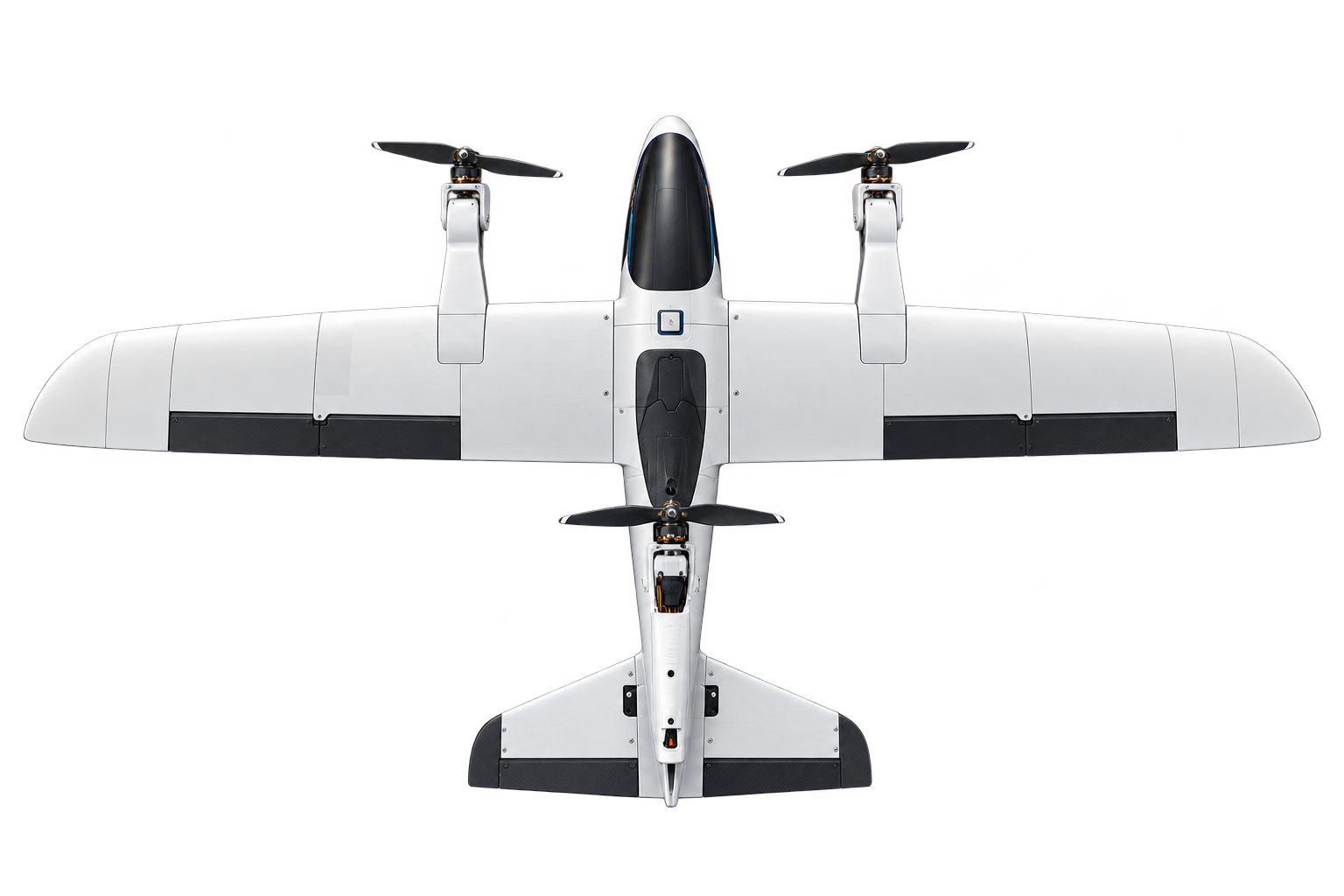
Vector V1 - Tri-rotor VTOL UAV
A fabricated and flight-tested electric UAV using three tilting propulsion units for vertical lift and transition to wing-borne forward flight.
AEROSPACE / PROPULSION RESEARCH
Design and fabrication of a liquid-propellant model rocket engine, with experimental thrust analysis using gaseous oxygen and liquid kerosene at the University of Ruhuna.
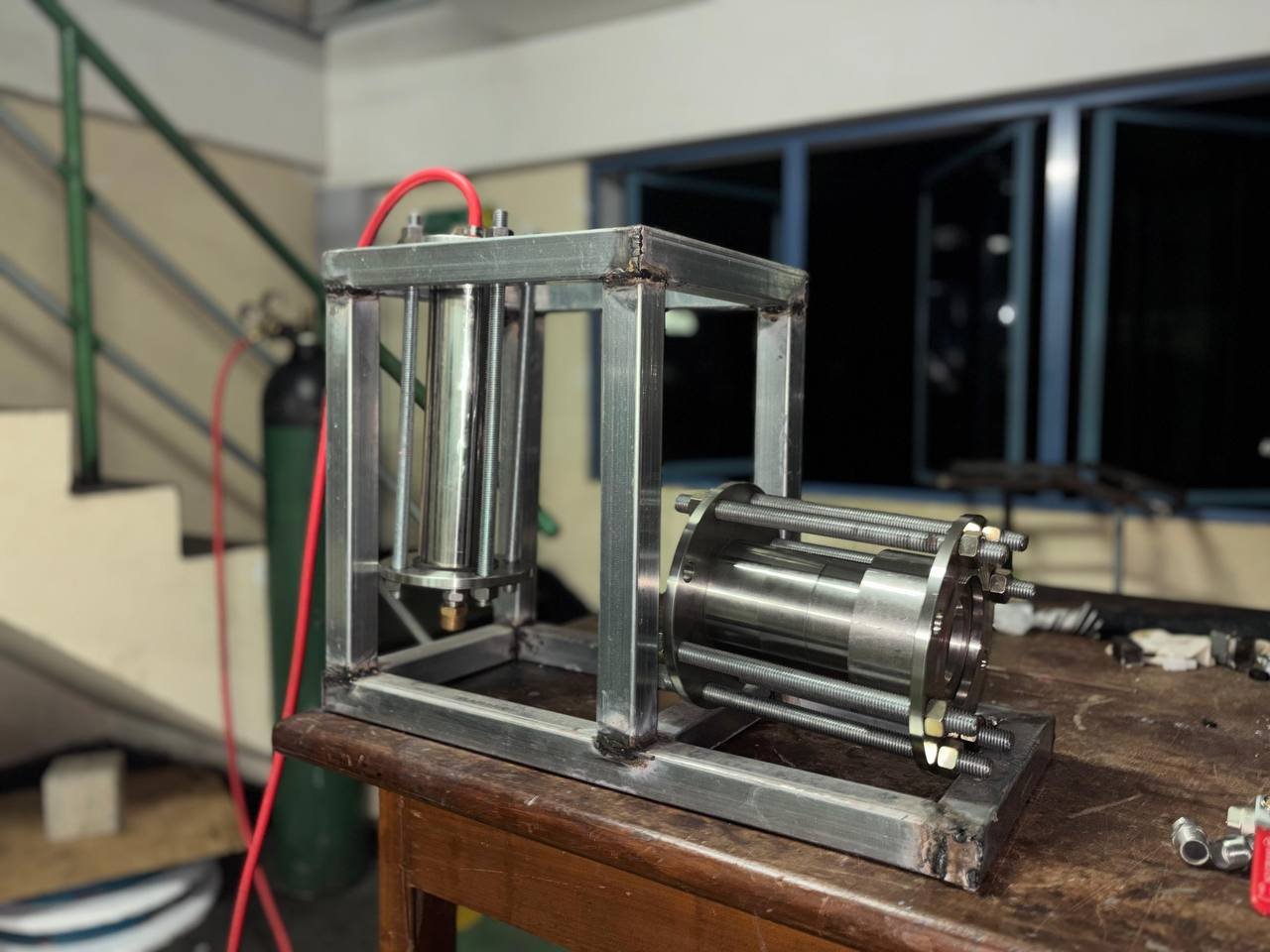
Project Phoenix focuses on the design, experimental analysis, and testing of a liquid-propellant model rocket engine. Developed within the Department of Interdisciplinary Studies at the University of Ruhuna, the research uses gaseous oxygen (GOX) as the oxidizer and liquid kerosene as the fuel.
My participation in Phoenix 2.0 ran from October to December 2025. The project connects mechanical modelling and in-house fabrication with instrumented static testing, exploring how changes to the engine configuration affect thrust.
I designed and fabricated the model rocket engine. This contribution links the mechanical design to the physical hardware used in the research setup.
The supplied photographs document the machined components, bolted engine assembly, support frame, and exhibition setup. SOLIDWORKS, NASA CEA, ANSYS, and load-cell measurement form the wider project workflow.
The experimental objective is to measure thrust variations while systematically changing injector configurations, fuel-to-oxidizer ratios, and nozzle geometries. This allows the research team to compare the effects of different configurations through static firing tests.
A load-cell test setup records real-time thrust output during firing, with a digital display supporting observation of the test response. The project description establishes the measurement method; numerical thrust results are not included in the supplied resources.
| Feature | Project description |
|---|---|
| Oxidizer & fuel | Gaseous oxygen (GOX) and liquid kerosene. |
| Operating pressure | 10 bar; target chamber pressure of 20 bar. |
| Peak combustion temperature | Approximately 2800 K, as stated in the supplied description. |
| Material & cooling | Enlarged stainless steel body with heat-sink cooling to absorb thermal loads. |
| Fuel pressurization | Nitrogen (N2) pressurization to support stable fuel flow. |
| Nozzle | Cone-shaped convergent-divergent (C-D) geometry. |
The convergent section accelerates subsonic flow toward Mach 1 at the throat; the divergent section supports further acceleration to supersonic velocities. This describes the nozzle operating principle.
SOLIDWORKS supports chamber sizing and mechanical design. NASA Chemical Equilibrium with Applications (CEA) supports performance predictions, while ANSYS flow simulations examine the flow behaviour.
Engine components are precision-machined in-house for cost-effective rapid prototyping. The original photographs show the cylindrical machined components, flange and bolt arrangements, nozzle opening, and assembled frame.
Calculated performance and simulation output support the design work. The load-cell measurements provide the experimental basis for evaluating thrust.
The resource gallery brings together the fabricated hardware, the exhibition setup, the project poster, and two supplied videos. The poster presents Phoenix as an ongoing research project and outlines the engine configuration, fabrication approach, and test objective.
The configuration table follows the supplied project description. The original poster labels its combustion-temperature value in degrees Celsius; the description supplied for this portfolio specifies approximately 2800 K. The original poster is retained unchanged.
An overview of the documented project scope.
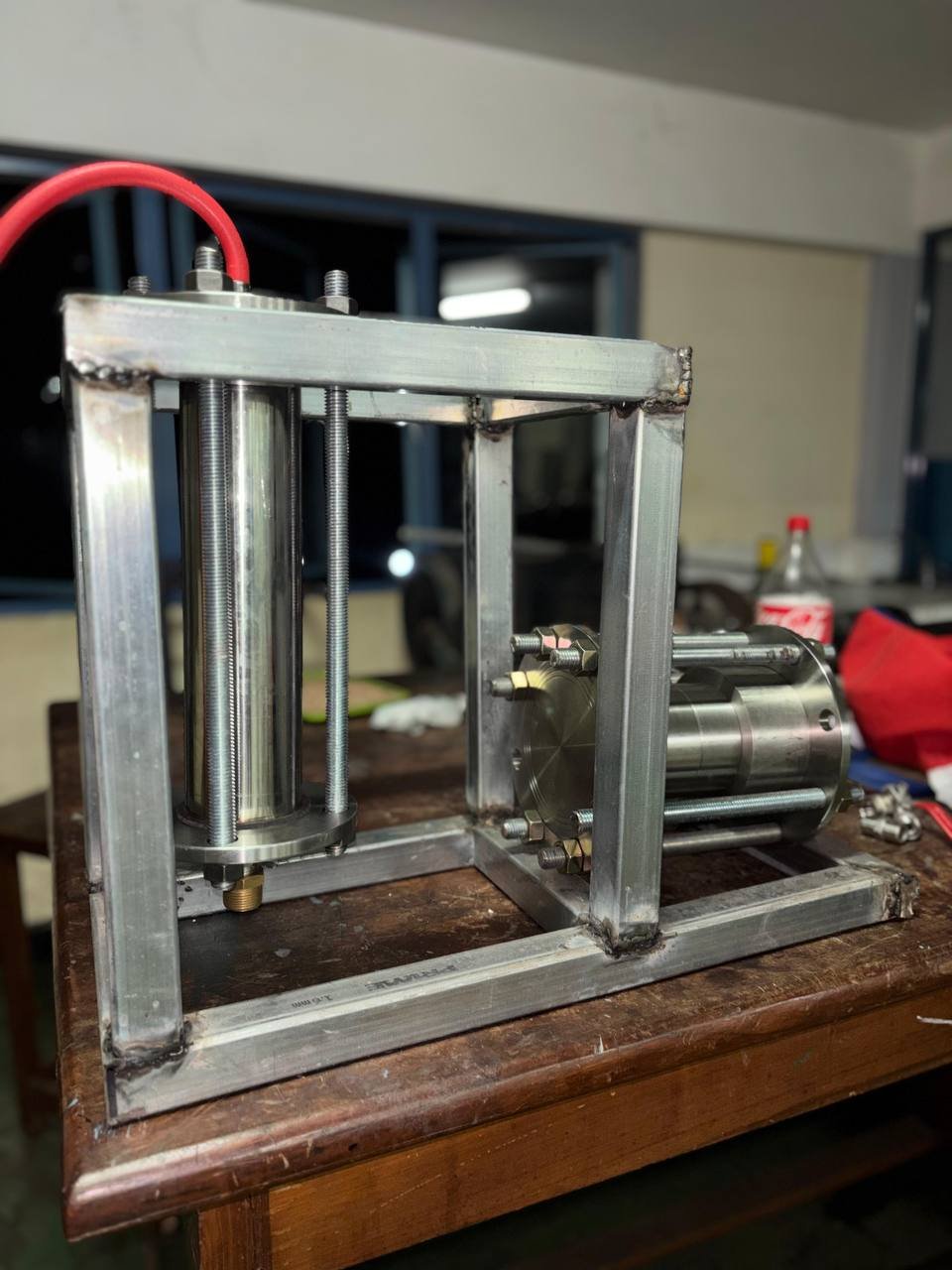
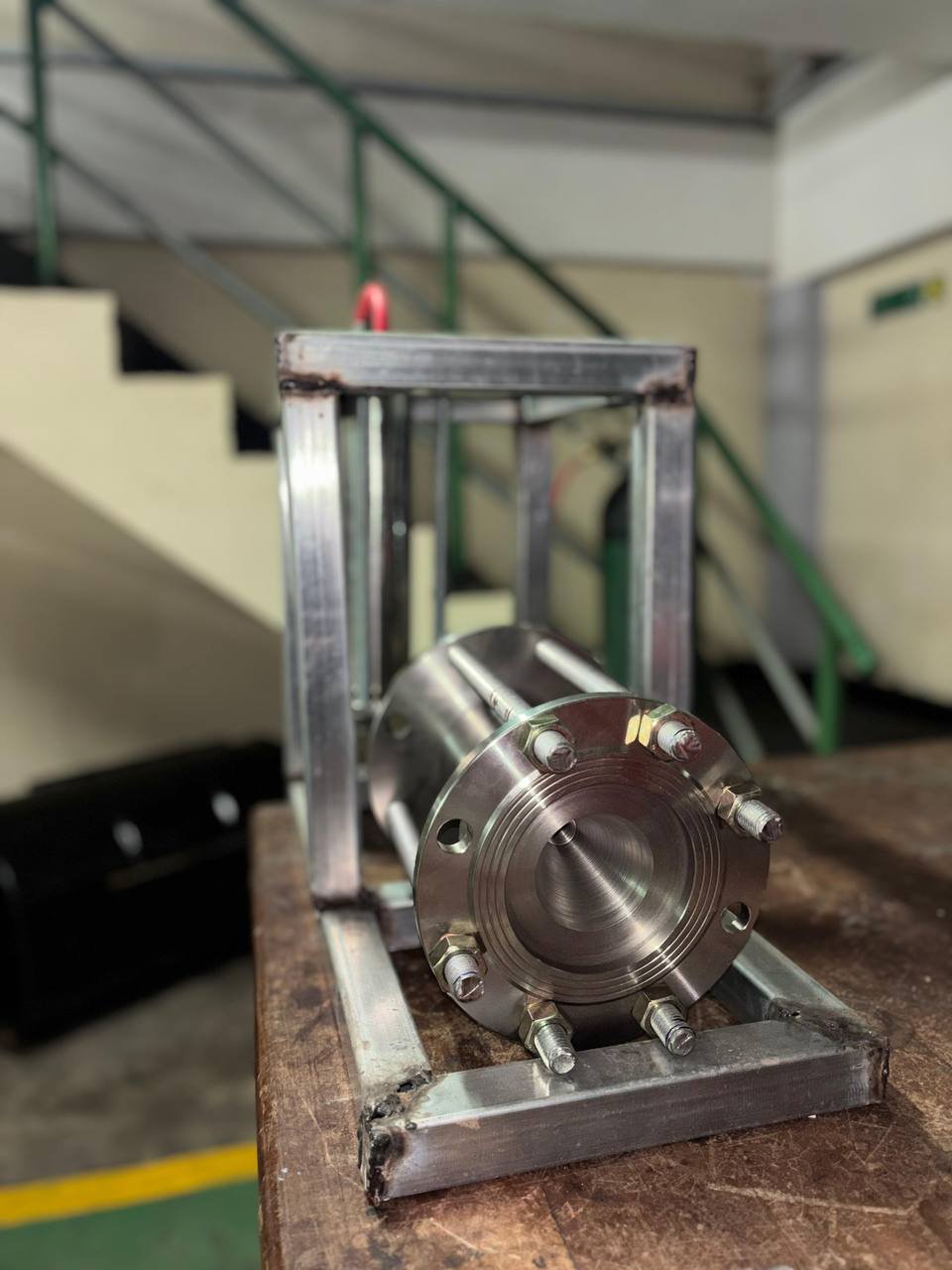
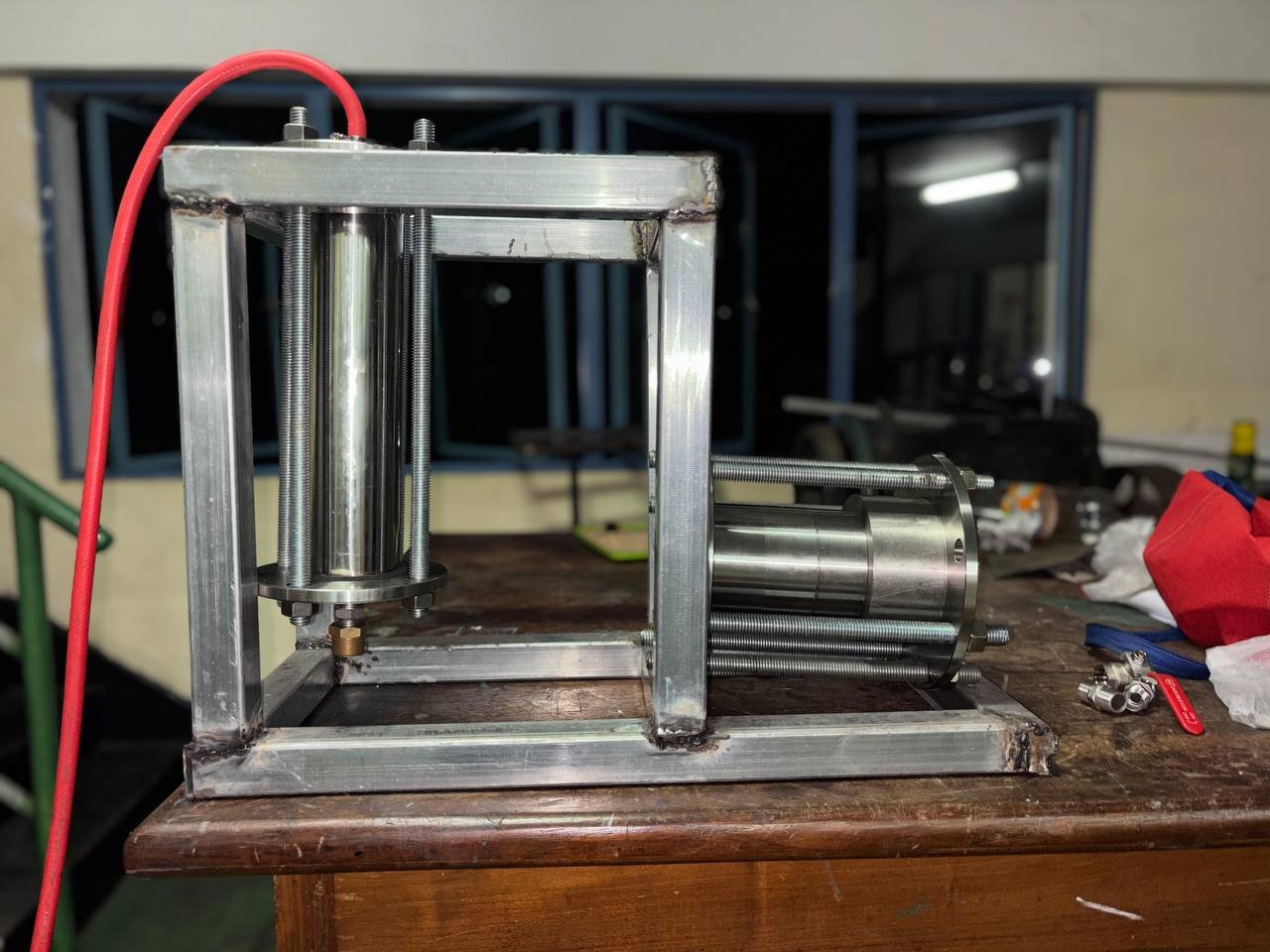
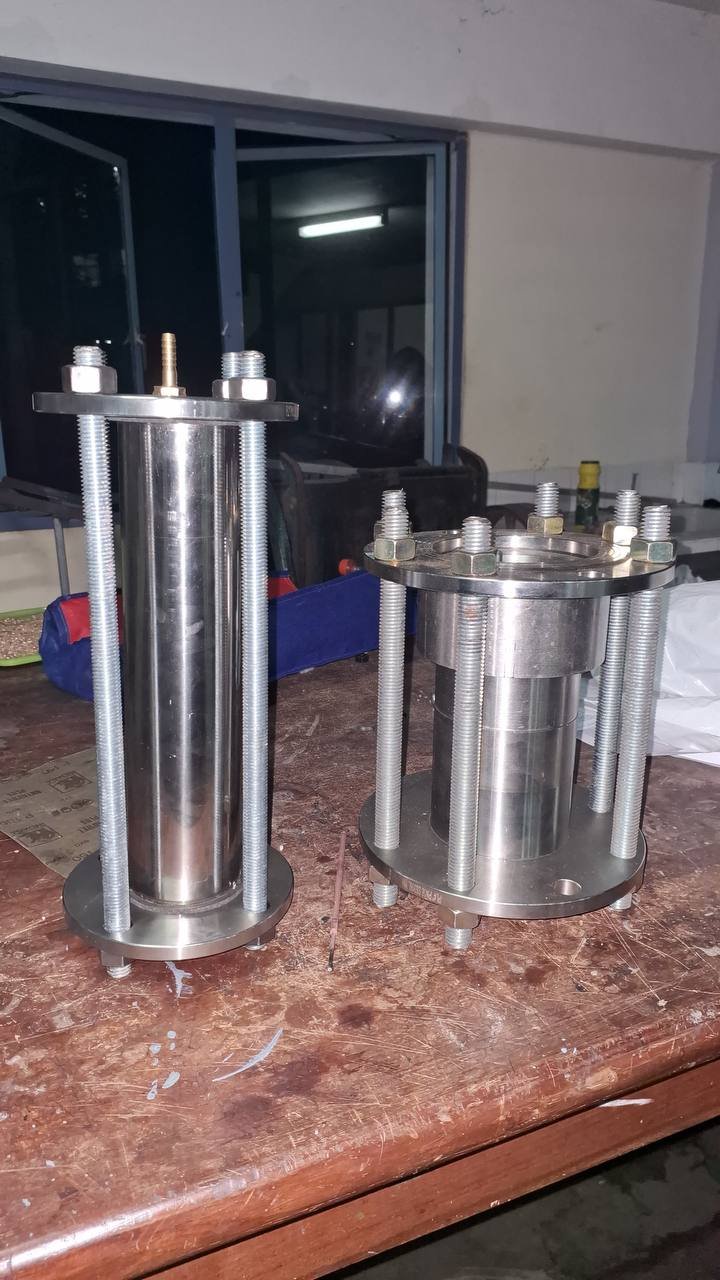
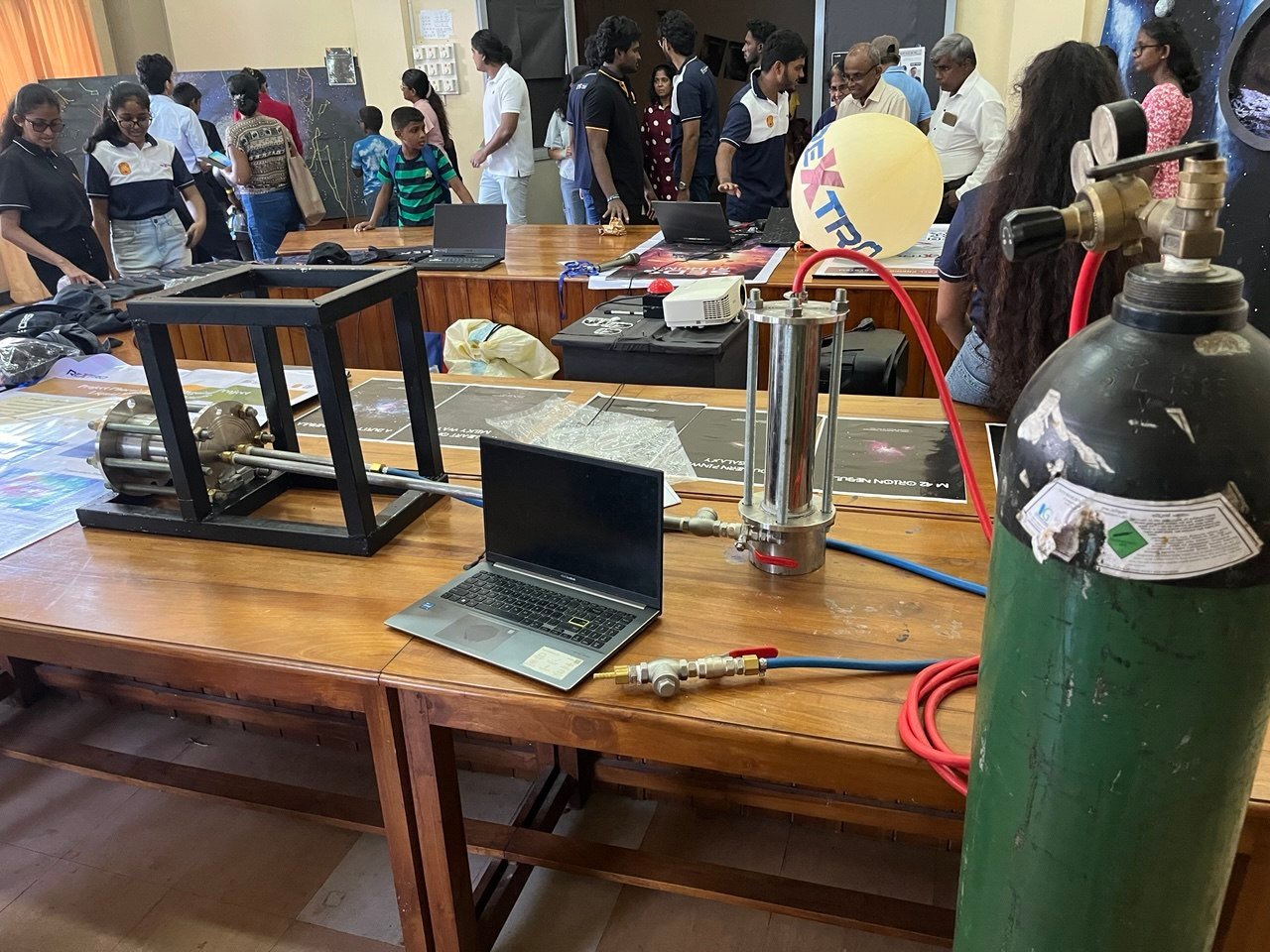
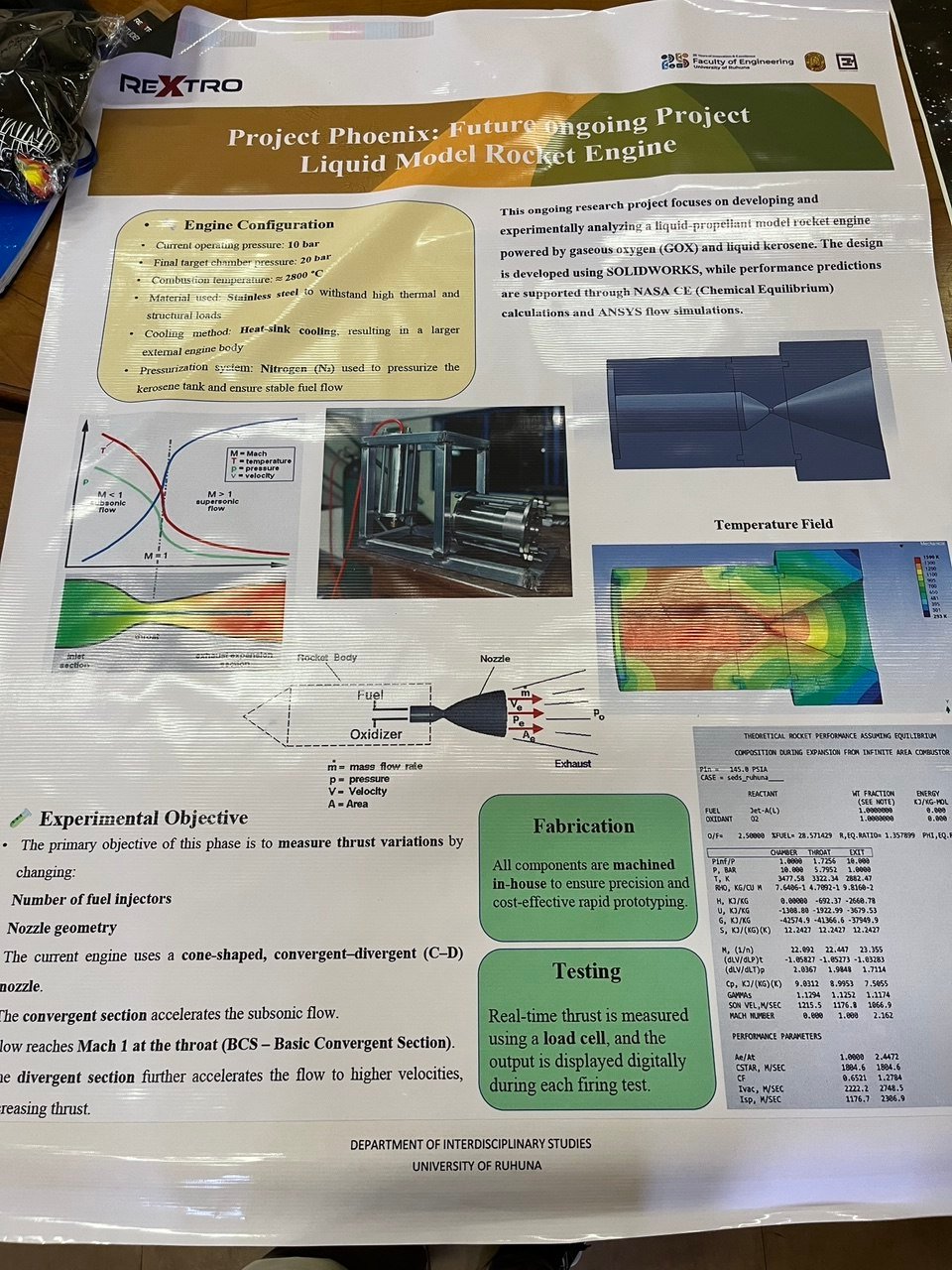
Original project photos, the research poster, and two videos are available above. The written account follows the supplied project description and stated design/fabrication contribution.
KEEP EXPLORING
01A fabricated and flight-tested electric UAV using three tilting propulsion units for vertical lift and transition to wing-borne forward flight.
 02
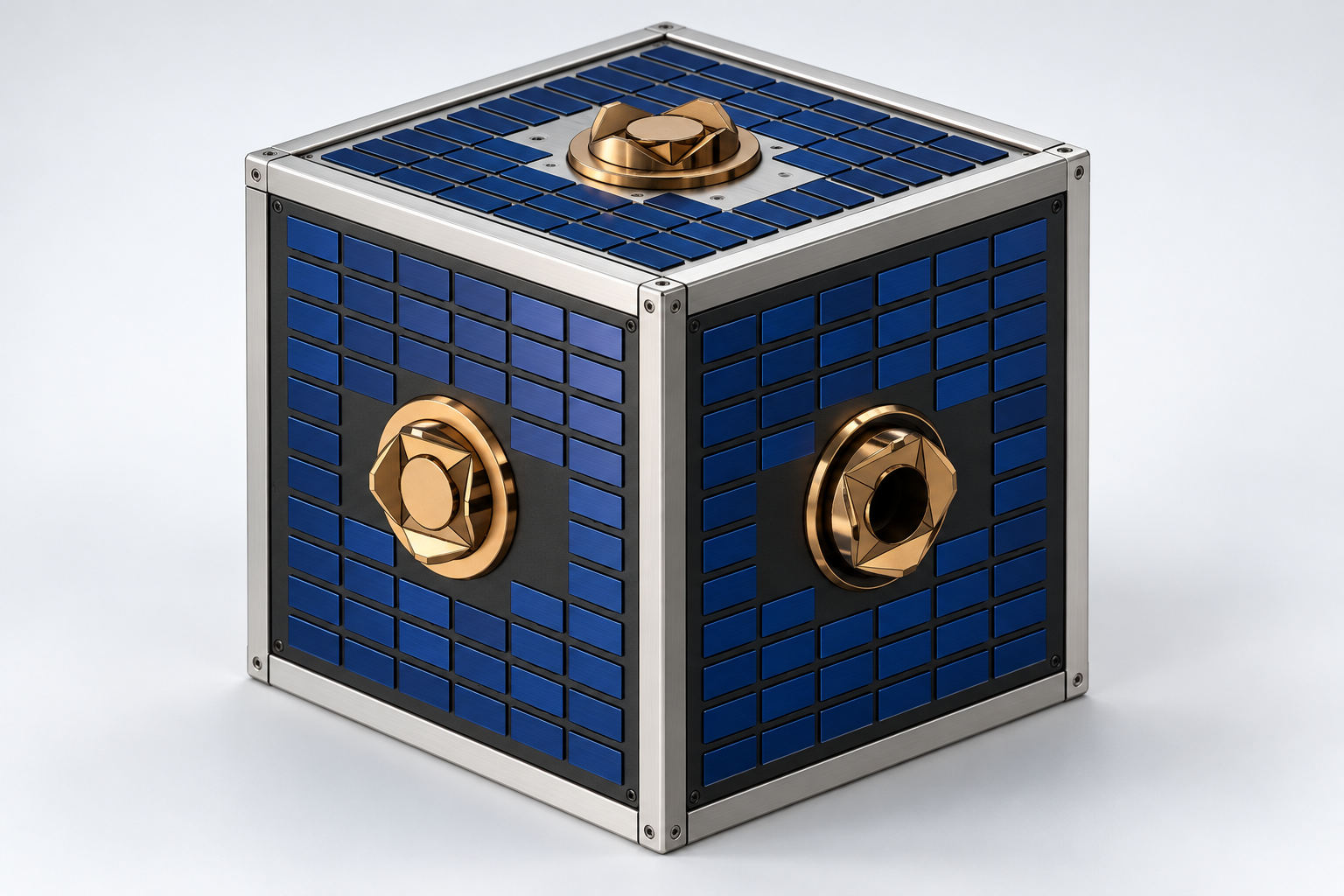
02A station-supported free-flying robot design for orbital inspection, positioning, assembly, and servicing, with nitrogen propulsion and six modular docking interfaces.
 03
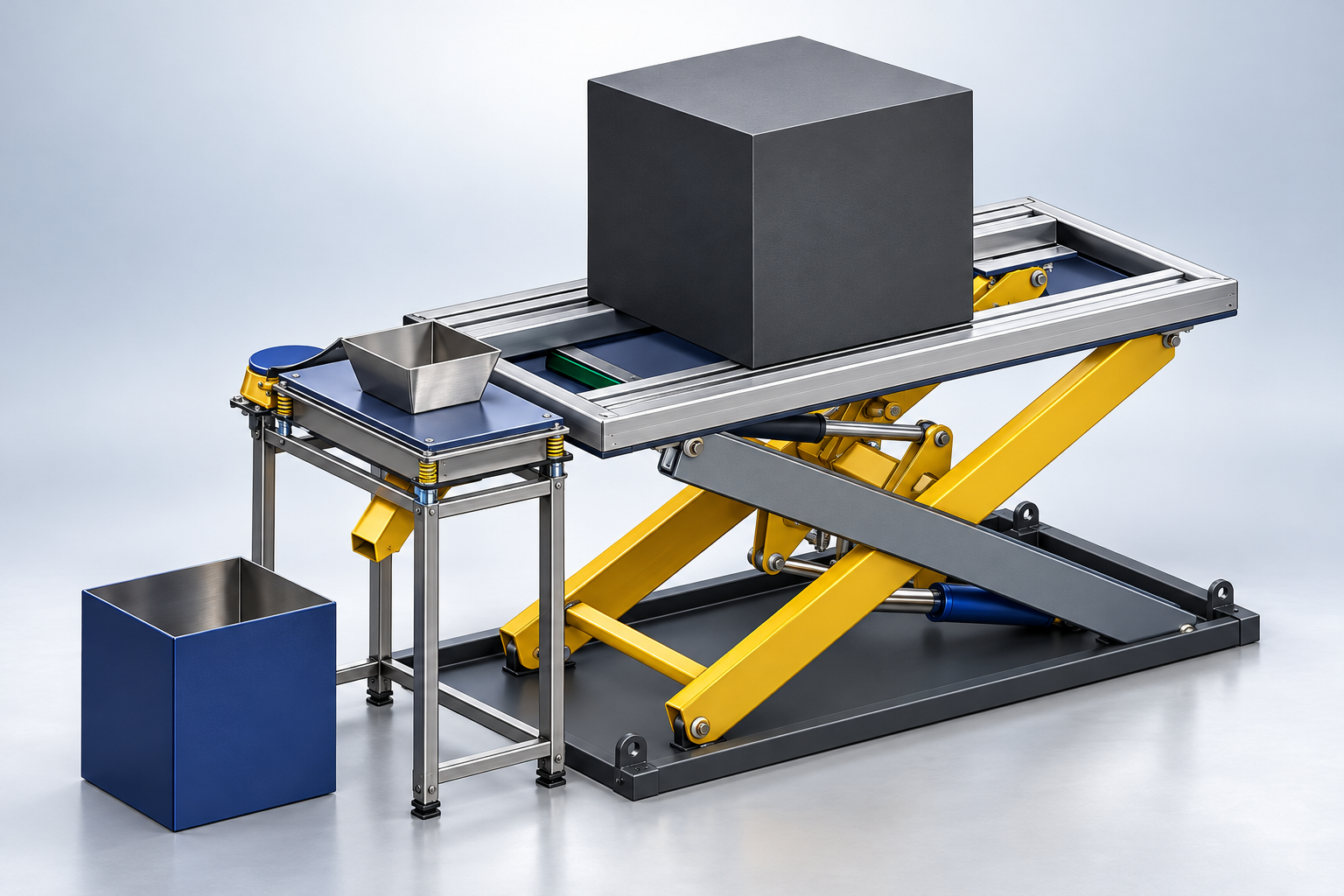
03Designed in SolidWorks for Michelin and developed into a siever prototype, combining mechanical fabrication, electrical motor wiring, and hands-on troubleshooting.