 01
01AEROSPACEBUILT & FLIGHT-TESTED
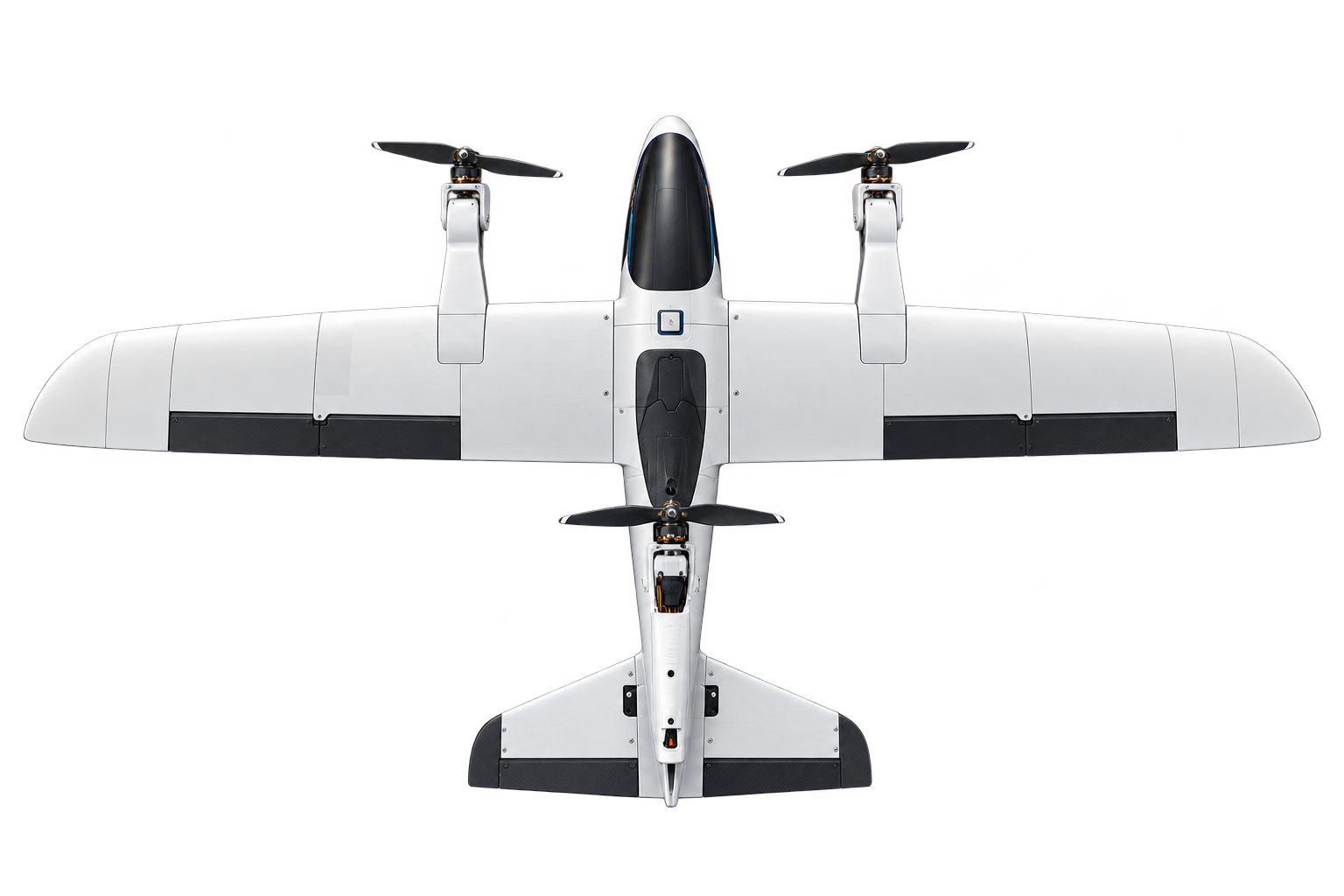
Vector V1 - Tri-rotor VTOL UAV
A fabricated and flight-tested electric UAV using three tilting propulsion units for vertical lift and transition to wing-borne forward flight.
ROBOTICS / ROBOFEST 2023
A built maze-solving robot using flood-fill navigation, developed by Team SparkBots for SLIIT Robofest 2023 and qualified for the university-category final round.
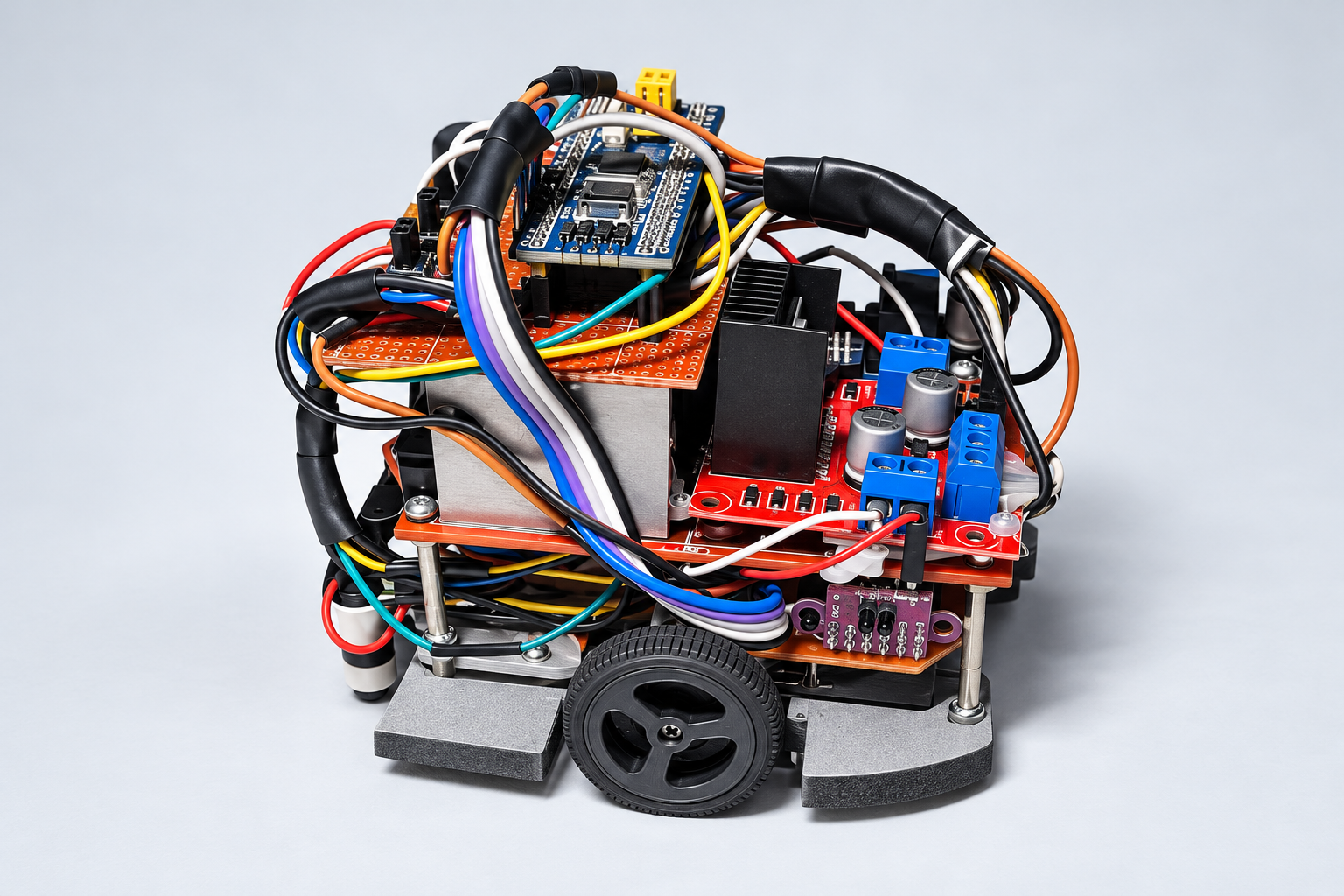
We built Sparkbot as Team SparkBots’ maze-solving robot for Robofest 2023, organized by SLIIT. I implemented the flood-fill navigation algorithm and worked on constructing the robot with the team.
The project brought physical robot assembly and embedded navigation together. The robot needed to move through the maze while maintaining a useful representation of the available routes.
My contribution included implementing flood fill and building the robot. This connected the route-planning logic to a physical platform, where the decisions made by the program had to correspond to the robot’s position and movement.
The team included Janitha Karunarathna, Chamika Dilshan, Sasini Perera, and Hansika Karunathilake alongside my participation. The supplied robot photograph records the assembled platform, and the maze photograph records the competition environment.
Flood fill represents the maze as connected cells and assigns distance values outward from the goal. In a maze with equal-cost moves, these values describe the number of cell steps to the goal through the currently known connections.
This explains the navigation principle used in the project. The robot’s path choices depend on the maze information available at each step, so exploration and route planning work together.
The supplied photograph shows a compact robot with a layered chassis, interconnected electronics, sensor modules, and drive wheels. Building the robot brought these components together into one mobile platform.
For maze navigation, physical movement and the map must stay consistent. Cell-to-cell travel, turns, wall observations, and software decisions need to be coordinated so the next route choice corresponds to where the robot actually is.
The project therefore combined programming with practical assembly and integration, rather than treating the navigation algorithm as a standalone exercise.
The competition maze uses a grid of passages separated by walls. This makes wall layout, junctions, and reachable neighbouring cells the key information for navigation.
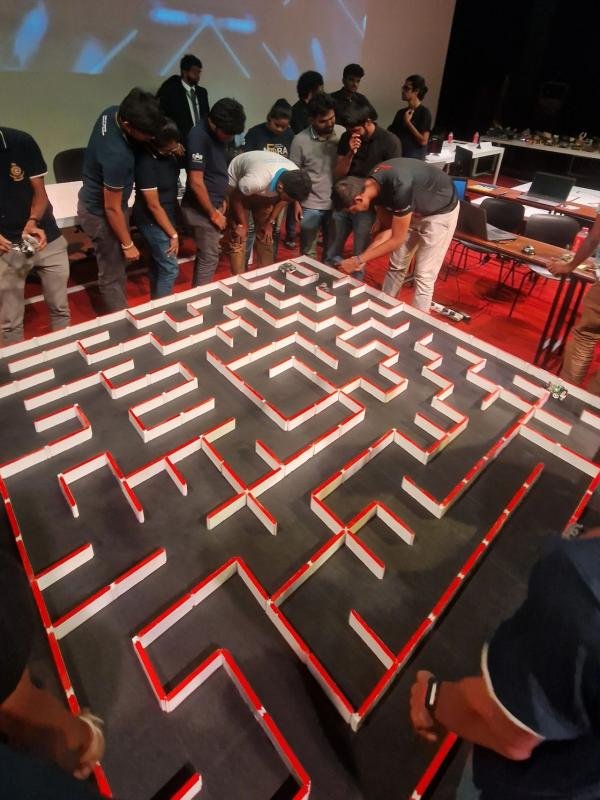
The maze provides the physical setting for the flood-fill implementation: each observed passage changes the set of routes available to the robot.
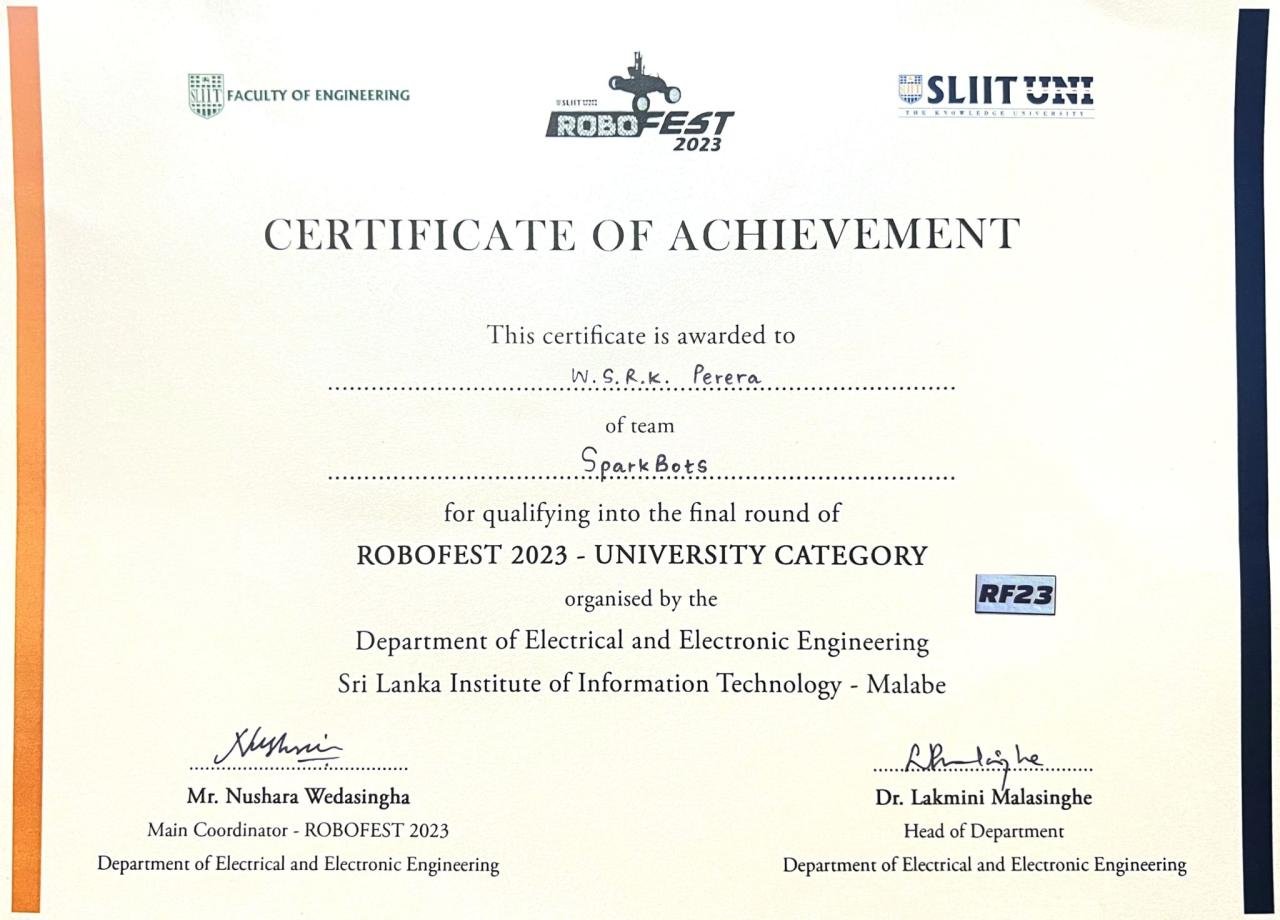
The supplied certificate of achievement names W. S. R. K. Perera of Team SparkBots and confirms qualification for the final round of Robofest 2023 in the university category.
The event was organized by the Department of Electrical and Electronic Engineering at the Sri Lanka Institute of Information Technology, Malabe. The certificate records finalist qualification.
The project produced a built robot, a flood-fill navigation implementation, and a university-category finalist result. It gave me practical experience in connecting a maze-solving algorithm to a physical robot and working with a team in a competition setting.
An overview of the documented project scope.
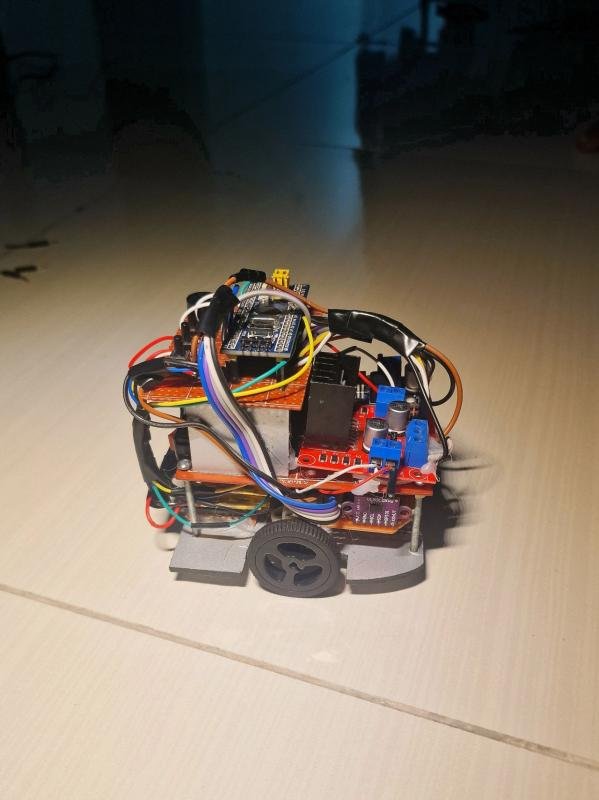
The supplied robot and maze photographs, project notes, and certificate support the project overview and finalist result.
KEEP EXPLORING
01A fabricated and flight-tested electric UAV using three tilting propulsion units for vertical lift and transition to wing-borne forward flight.
 02
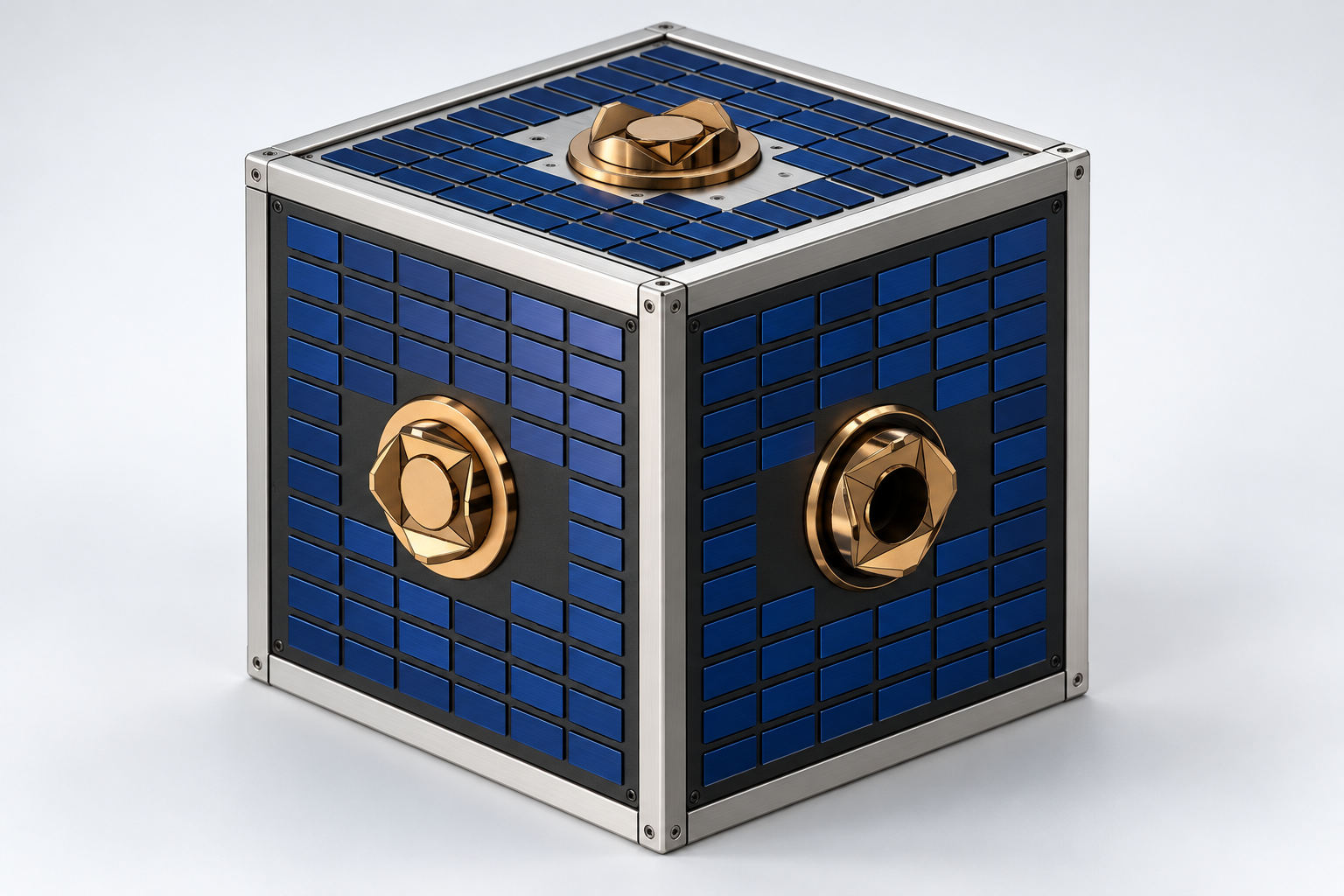
02A station-supported free-flying robot design for orbital inspection, positioning, assembly, and servicing, with nitrogen propulsion and six modular docking interfaces.
 03
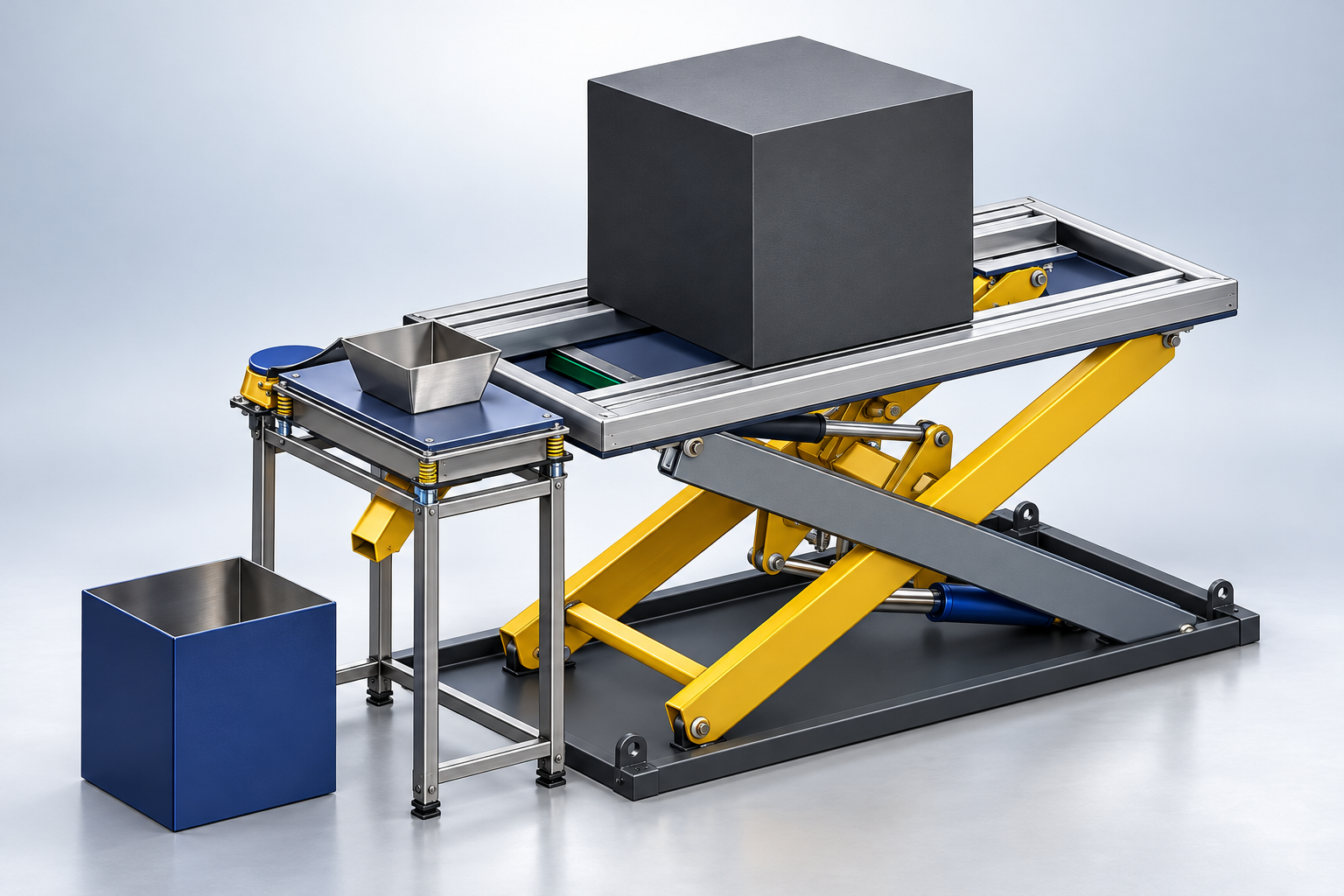
03Designed in SolidWorks for Michelin and developed into a siever prototype, combining mechanical fabrication, electrical motor wiring, and hands-on troubleshooting.